Good Healthcare Systems for Poor and Rural Widows
By: Zipporah Omowunmi Adenike Oladejo
Founder, Widows Rejoice Mission (Opic, Lagos, Nigeria)
June 2026
"Good health is wealth," as the old adage goes. However, this statement rings hollow for millions of poor and rural widows across developing nations. As the world turns its focus to International Widows Day on June 23, 2026, we must confront a devastating reality: the severe lack of access to quality healthcare for poor and rural widows of all ages.
The challenges these women face are not just economic; they are deeply physical, psychological, and environmental.
1. The Heavy Toll on Mental Health
The problem of coping with life after the sudden death of a spouse is a burden too heavy for the majority of poor widows to bear alone. The psychological trauma often spirals into severe mental health crises.
Clinical Depression & Hopelessness: A pervasive sense of grief and despair that goes unaddressed without professional psychological support.
Severe Insomnia: Chronic sleeplessness driven by anxiety and the constant worry over daily survival, which quickly triggers further physical health deterioration.
Complex Trauma: Many widows quietly battle Major Depressive Disorder (MDD), Generalized Anxiety Disorders, and Post-Traumatic Stress Disorder (PTSD) without any access to therapy or counseling.
2. Extreme Poverty and Malnutrition
The sudden loss of a husband's income frequently plunges families into extreme poverty. Many rural widows struggle to afford a basic daily meal, let alone the balanced diet required for the human body to function properly. This systemic malnutrition leaves their immune systems highly vulnerable to preventable diseases.
Furthermore, these mothers are left asking an agonizing question: "How do I provide basic care and pay school fees for my children?" Tragically, promises of support from extended family or communities rarely materialize, leaving the widow entirely isolated.
3. Environmental Hazards and Physical Illness
A large number of poor widows subsist in substandard housing with poor sanitation, posing severe risks to their well-being.
Respiratory Issues: Accumulated dust, poor ventilation, and low indoor air quality lead to chronic respiratory infections.
Gastrointestinal Illnesses: Unsafe kitchen environments, improper food storage, and contaminated surfaces allow harmful bacteria to thrive, causing frequent gastrointestinal distress.
Real Lives, Real Tragedies: The Human Cost
The absence of a functional healthcare safety net has fatal consequences. We see the human cost of this neglect every day.
The Case of Mrs. Kalu: Mrs. Kalu fell severely ill, and her stomach became deeply enlarged. Overwhelmed by the illness and completely deserted by her family, her financial status kept her from getting the medical treatment she needed. By the time she contacted our Mission for support, it was too late. She succumbed to her protracted illness.
The Case of Mrs. Esther Saani: A resilient member of the Widows Rejoice Mission, Mrs. Esther Saani suffered a broken neck after a tragic fall from a commercial motorcycle. Today, she continues to live in excruciating, unmanaged pain simply because there are no funds available for her proper medical care.
Taking Action: The Widows Rejoice Mission Intervention
At the Widows Rejoice Mission, we firmly believe that healthcare is a fundamental right, not a luxury reserved for the wealthy. Everyone, including the poorest widow, deserves access to a dignified healthcare system.
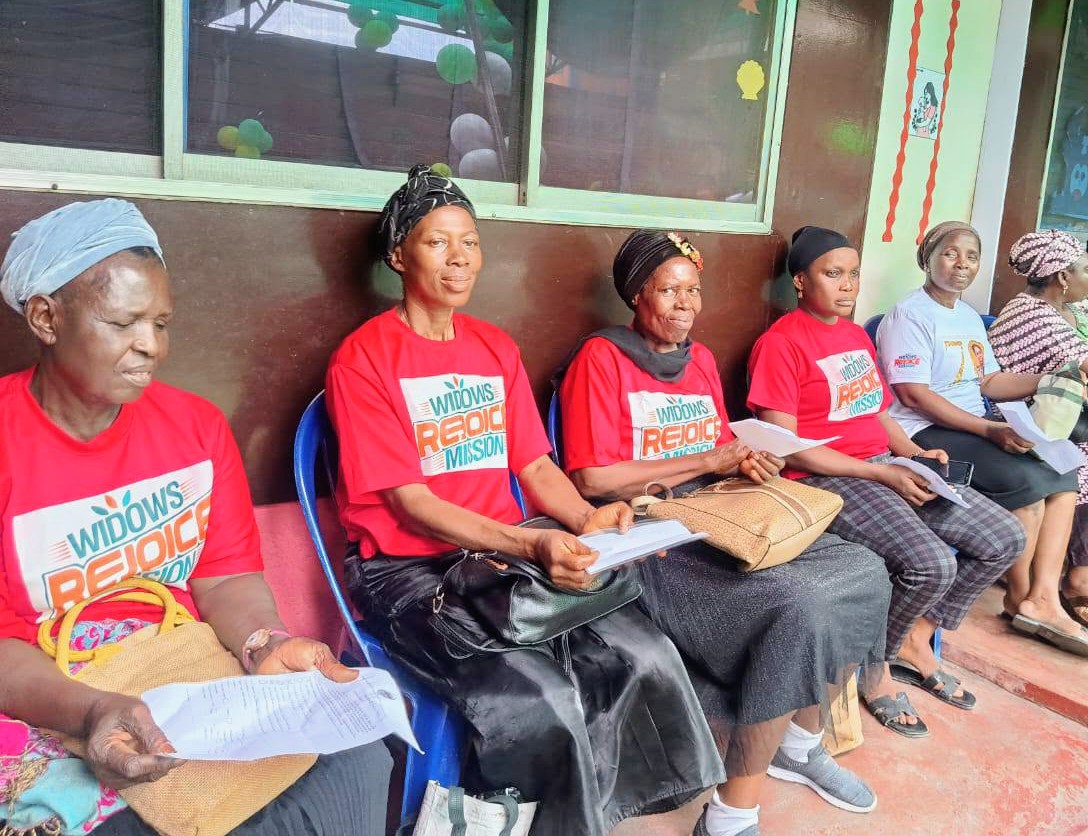
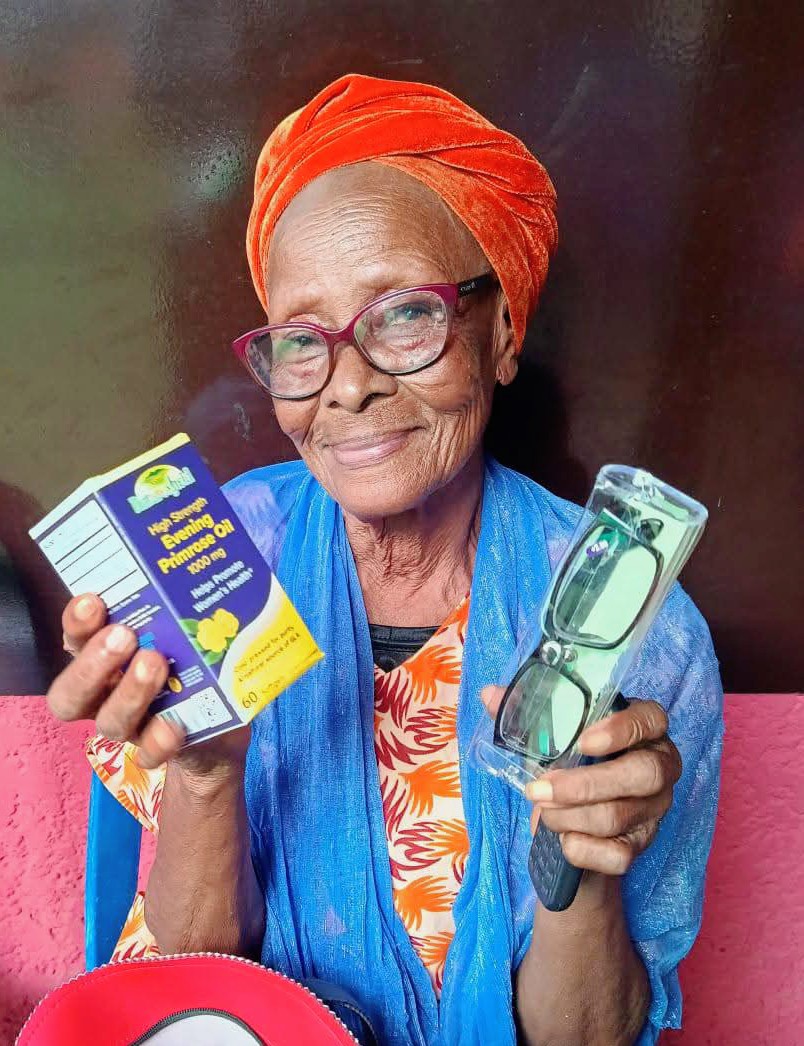
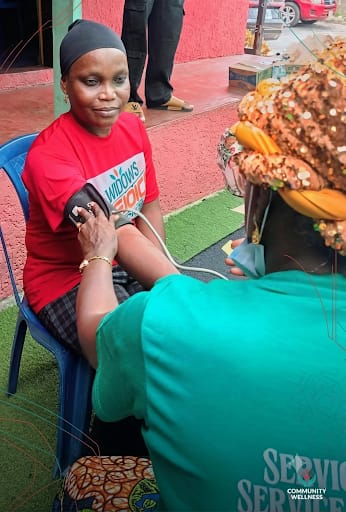
Taking matters into our own hands, the Mission recently participated in a targeted medical outreach for poor and vulnerable widows.
Cancer Screenings: 25 widows from Makoko (Lagos) and Ogun State, Nigeria, were provided with free breast and cervical cancer screening tests.
Vital Diagnostics: Comprehensive medical tests were conducted to catch underlying conditions early.
Free Medications: Essential drugs were distributed to all participating widows managing chronic conditions such as hypertension and diabetes.
A Call to Action for International Widows Day 2026
Prevention will always be better than cure. We cannot rely solely on short-term outreach programs to fix a structural crisis.
As we commemorate International Widows Day 2026, the Widows Rejoice Mission makes an urgent appeal to policymakers, government officials, health agencies, and parastatals across developing nations:
1. Formulate Inclusive Health Policies: Design specific healthcare subsidies and welfare packages tailored to vulnerable, uninsured widows.
2. Establish Rural Health Infrastructure: Build and equip functional primary healthcare centers in rural areas so no widow has to travel miles in pain.
3. Integrate Mental Health Support: Ensure that grief counseling and psychiatric care are included in public health frameworks.
The health of poor and rural widows matters. Let us rise, reach out, and build a healthcare system that leaves no widow behind.
Happy International Widows Day, 2026.